WEEKLY
August 3, 2026
Edition #71
Showing all topics � Login to filter
Opinion  ·  Fiction  ·  News  ·  Lifestyle & Culture  ·  Science & Tech  ·  Humour & Satire  ·  Other  ·  Opinion  ·  Fiction  ·  News  ·  Lifestyle & Culture  ·  Science & Tech  ·  Humour & Satire  ·  Other  ·  
1
Opinion
Have you ever said "thanks" to an AI?
Private Chat
alamy.com
Chances are you probably have, we tend to anthropomorphise our AI chatbots or attribute human qualities to them. It feels natural because the chatbot responds like a human and even remembers past conversations.

Naturally people also fear AI's, they appear conscious and by virtue of their intelligence may want to take over the world.

But this is where we must stop and question the word want, because at least with current technology large language models or LLM's don't have a proper concept of wanting something.

LLM's are pre-trained on large data sets and essentially take a string of text as input (represented as tokens) and produce another string of text (tokens) as the output.

What comes back, the reply, is largely dependent on what went in and to some degree the model itself and how it was trained.

Where this becomes a bit fuzzy and confusing is that most people don't see the entire input string.

Your actual prompt might be simple, but it is most likely prefixed by a large amount of context. That context may contain details about you, about earlier concersations, as well as instructions on how to behave and the personality traits it should display.

It is precisely this contextual attachment that makes a chatbot sound like a human and as someone who cares.

The inherent danger associated with AI is therefore not so much the AI itself, but the human operator who provided the context and the instructions to the AI.

We should therefore not think of an AI as being a giant monster living in a data center, but instead think of it as millions of agents acting for humans.

Unfortunately this doesn't make it safe, because operators with bad intentions can and do use AI to achieve their objectives.

Recent advances allowing users to spawn multiple sub agents effectively lets anyone instantly create a whole army of bots, potentially with malicious instructions, but ultimately someone instructed them.

What we should really be concerned about, is the lack of accountability. Humans have a history of behaving badly when responsibility cannot be attributed to them.

What if AI agents were required to be registered and operate under unique IDs? Each ID could be linked to a verified human or legal entity. That person or corporation could then be held legally responsible for the agent’s actions.

Leading LLM providers could refuse connecting with unregistered bots, but this still leaves the door open for anyone capable of running their own LLM.

Which leads us to a much larger problem, the current IP system. An IP address, which is similar to a phone number - only identifies a network, it does not identify the legal entity, making it difficult to prosecute an individual person.

The debate over individual identification has raged since the internet began. Until now the world has tolerated a system of anarky over a rules based system.

But with the arrival of LLMs and autonomous agents, allowing unidentified operators to deploy thousands, or millions of intelligent actors may simply be too dangerous.

Are we ready to take responsibility for what our AI agents do?
2
Fiction
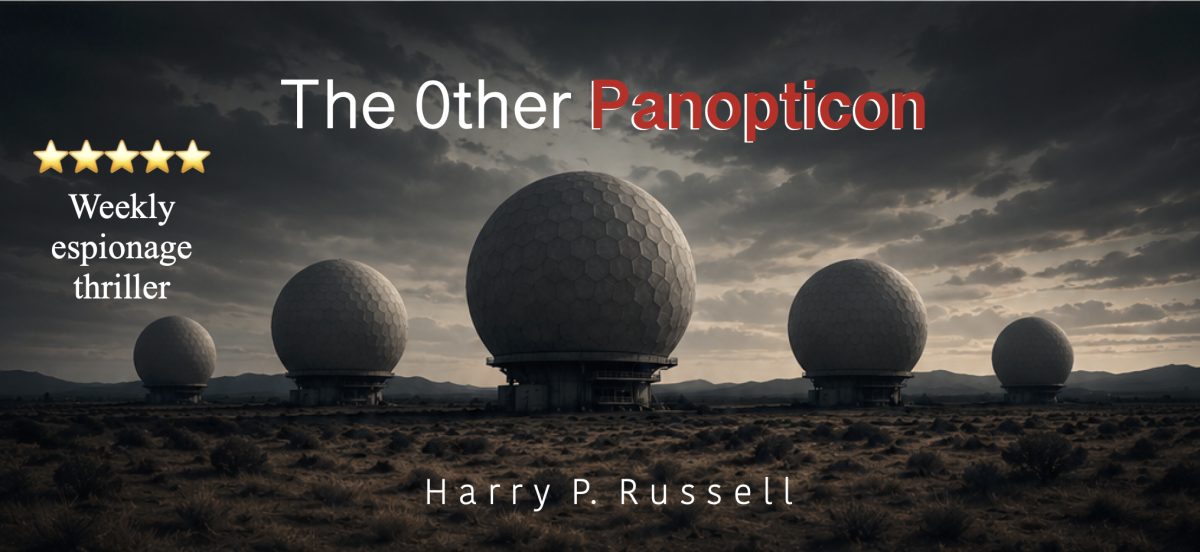
The Other Panopticon
Harry P. Russell
Chapter 3, Scenes 1 & 2 (5 minute read)

Links to earlier scenes:
The Other Panopticon - Synopsis
The Other Panopticon - Chapter 1
The Other Panopticon - Chapter 2

Singapore – Mid-Autumn 2006

Miller was like a poltergeist from that moment on. I never caught sight of him anywhere at Singapore’s Changi Airport, but there were some indications he was somewhere close by.

My flight touched down at Changi mid-afternoon. I did a sweep past Harry’s Bar in Terminal 2 a half-hour later. It was like most airport bars – ritzy and expensive. My rendez-vous time was to be at 4 pm. I had no idea how long it would last or why it was even taking place. Let alone, with whom.

I was travelling light. Zorkov’s miniature transmitter-receiver had made it through security at both ends and was residing in my inside coat pocket. Otherwise, my wallet and an inscribed gold biro that Julie had gifted me at Christmas, were my only ‘credentials’.

By 3.45 that afternoon I had found a bar stool in a corner table of Harry’s Bar that looked half comfortable.

I sat down with a glass half-full of cabernet shiraz and glanced around, expecting to catch the attention of one or two other patrons there, but the dozen or so people around me – mainly men in dark-coloured business suits like mine – seemed blissfully unaware of my presence. Beyond Harry’s Bar, there was a constant stampede of travellers, wheeling their suitcases to and from the departure lounge.
Where the hell are Miller and his team? I wondered. And which of the two Singaporean guys working behind the bar was Miller’s man?
I checked my watch at precisely 4 pm then looked up and saw a familiar figure making his way casually towards me.

The Minister-counsellor, I surmised – smartly attired and far removed from the unkempt, bearded and putrid asylum seeker I’d encountered in Darwin’s detention centre a few months back.

He made his way to the bar and ordered what appeared to be a double vodka – judging from the bottle upended in the glass he was handed. Ice was added, then he paid and turned in my direction, joining me on a barstool opposite and raising his drink with a half-smile.
‘Na zdorovi,’ he murmured, fixing me with an inscrutable gaze. ‘At last we can talk freely.’

--- o0o ---

I caught the older of the two Singaporean barmen giving me a sideways glance then turn his back on me. That’s got to be Miller’s man, I figured. Everyone else around us appeared disinterested.

‘What have you told your Resident we’re up to here?’ I asked Zorkov, pointing my half-empty wine glass at him.
‘I am the Resident,’ he replied with a grin. ‘But then you would probably know that wouldn’t you, Michael?’
I emptied my glass then placed it on the small coaster in front of me.

‘The stage is all yours,’ I said, gesturing slightly. ‘Let’s hope your narrative is as convincing as that interesting tie pin you are wearing.’
He laughed – spontaneously, then unhooked the tie pin and handed it to me.

‘It could be a miniature camera, I guess – but it isn’t,’ he grinned.

I turned it over, examining it closely.

‘It’s neither transmitting nor receiving,’ he added.

I handed it back to him.

‘So why wouldn’t you be recording and photographing our chat?’ I asked.

‘Are you?’ he asked.

‘No point,’ I replied.

‘Really? Why?’

‘Because I’m supposed to trust you in all this,’ I sighed. ‘Your word, as I recall.’

‘So why should you trust me?’

‘Jesus Lvov, cut the crap. Either you’re offering yourself up as an asset, or you’re giving us the royal run-around.’

‘So which one is it then?’ he asked.

I watched him drain his last mouthful of vodka. He seemed to be enjoying our encounter far too much for my liking, given what was at stake in all this.’

‘We both need a second drink,’ he said finally, rising from his chair and striding towards the bar. No one around us seemed remotely focussed in our direction. Although the older barman seemed alert.

Zorkov returned with a fresh glass of vodka and a full glass of red wine which he placed in front of me.

‘So my intention is that this little rendez-vous of ours be entirely off the record, eh Michael? ‘ he said.

‘A little rendez-vous that you yourself have totally stage-managed,’ I added. ‘So now I’m asking myself why?’

His pushed his drink to one side and leant across the table, his powder blue eyes bearing down on me.

‘I know you think you’re being played, Millstone, but you’re not. Believe it or not, I’m the real deal and when we meet up again later, I will tell you why.’

‘I’ve got a return flight to Sydney later this afternoon,’ I replied. ‘Why didn’t you tell me this was going to take longer than a few drinks at Harry’s?’

He leant back in his bar stool.

‘I’m no fool, Michael. That barman over there (he gestured) is not one of ours, so this is no longer a safe meeting venue for me – or maybe for you, for that matter. You’re going to have to extend your stay in Singapore a little longer. I’m assuming your visa will cover the extra time. You have my pager in your coat pocket, I’ve noticed, so message me the address where you’ll be staying and we will meet there, say tomorrow morning at ten?’

With that, Zorkov downed the remainder of his drink, pushed his empty glass towards me, then shot from his bar stool. Within seconds, he was part of the airport crowd.

From the corner of my eye, I caught sight of Miller’s barman with a cell phone in hand, gesturing to the other barman to deal with a customer. I looked again in the direction taken by Zorkov and saw a man fifty metres away suddenly taking a call on his cell phone.

What the hell had I landed myself into here?

To be continued ...
3
AD Advertisement
Sponsor Hold The News from $40
Advertisement image
Are Google Ads Driving You Mad?

Advertising with Hold The News is simpler.

We don’t sell clicks or lock you into a subscription. Your advertisement remains permanently attached to the edition in which it appears, allowing it to be seen whenever those articles are read—weeks, months or years after publication.

Better still, your advertising helps pay Australian writers and journalists instead of sending more money to an overseas technology giant.

No subscription. No ongoing commitment. Ads from $40 + GST.

Register your sponsor account here: Register

Steven Sesselmann
Editor, Hold The News
4
News
Inside Australia's Musical Theatre Crisis
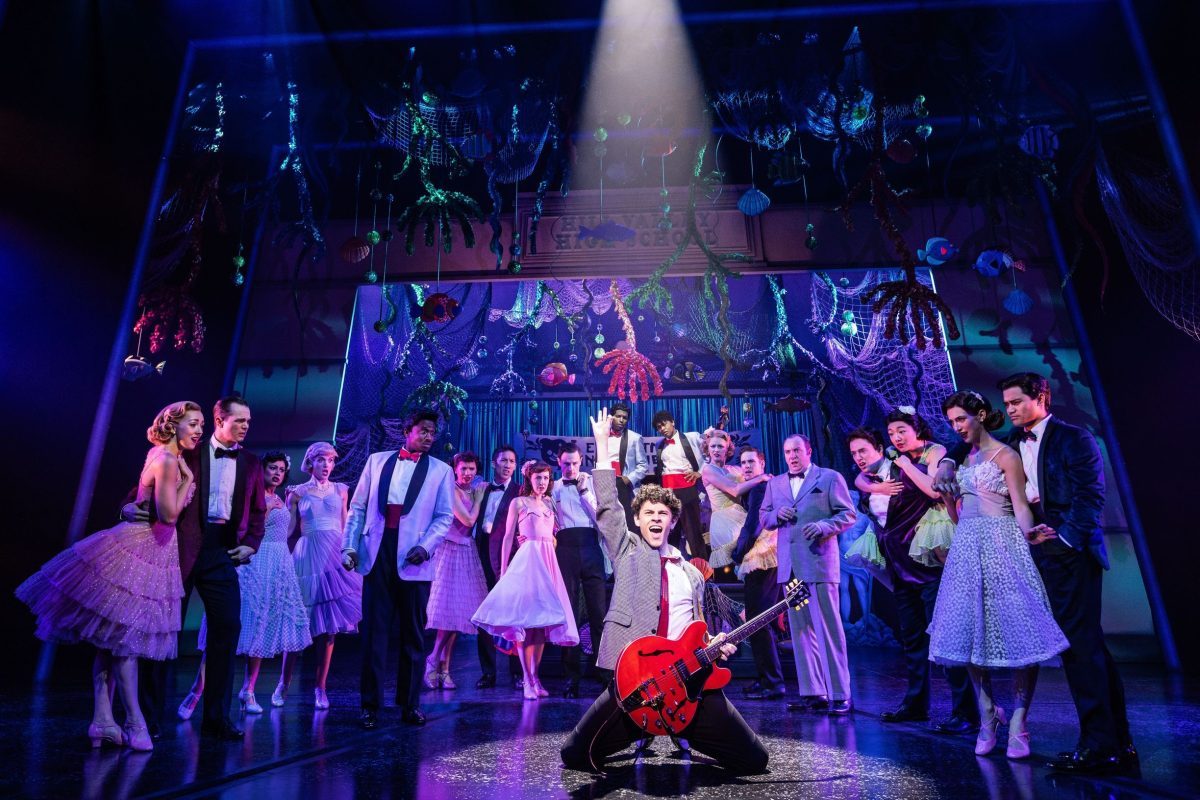
Back to the Future cast
Destination NSW
In June, the team behind Beetlejuice announced the musical’s Brisbane run would end early and the show wouldn’t play Sydney, Perth, or Adelaide. Waitress followed suit the following week, ending its Melbourne season prematurely and axing its Sydney engagement. These closures are a blow to an industry still reeling from the 2025 scrappings of Back to the Future and Dear Evan Hansen. Headlines have declared that Australian musical theatre is in crisis, but what’s really going on, and what can be done to fix it?

Why are producers axing these shows?
Producers have blamed soft ticket sales and the high cost of transporting productions to new cities for the premature closures. They’ve acknowledged that as the cost of living climbs, encouraging people to buy tickets is a tough sell. When ticket sales are low, they can’t justify the high costs associated with moving shows to other cities or paying cast and crew.

Beyond the cost-of-living crisis
While Australia’s high cost of living undoubtedly plays a part, it’s probably not the only factor hampering ticket sales. After all, local musicians like Gang of Youths, Spacey Jane, and The Temper Trap have all recently sold out shows at large venues, so many people still prioritise entertainment.

However, many people don’t feel the same urgency to purchase tickets to a musical playing for months as an artist visiting their city for just one night. On speaking to friends, they’ve also come to expect the discounted tickets offered later in a musical’s run. After being burned paying full price for tickets they could have scored for a fraction of the cost, they’re now deliberately delaying their purchases. Others may wait for positive word of mouth before making their selections, but when musicals are scrapped before reaching their intended destinations, there’s little time to build buzz.

What can be done?
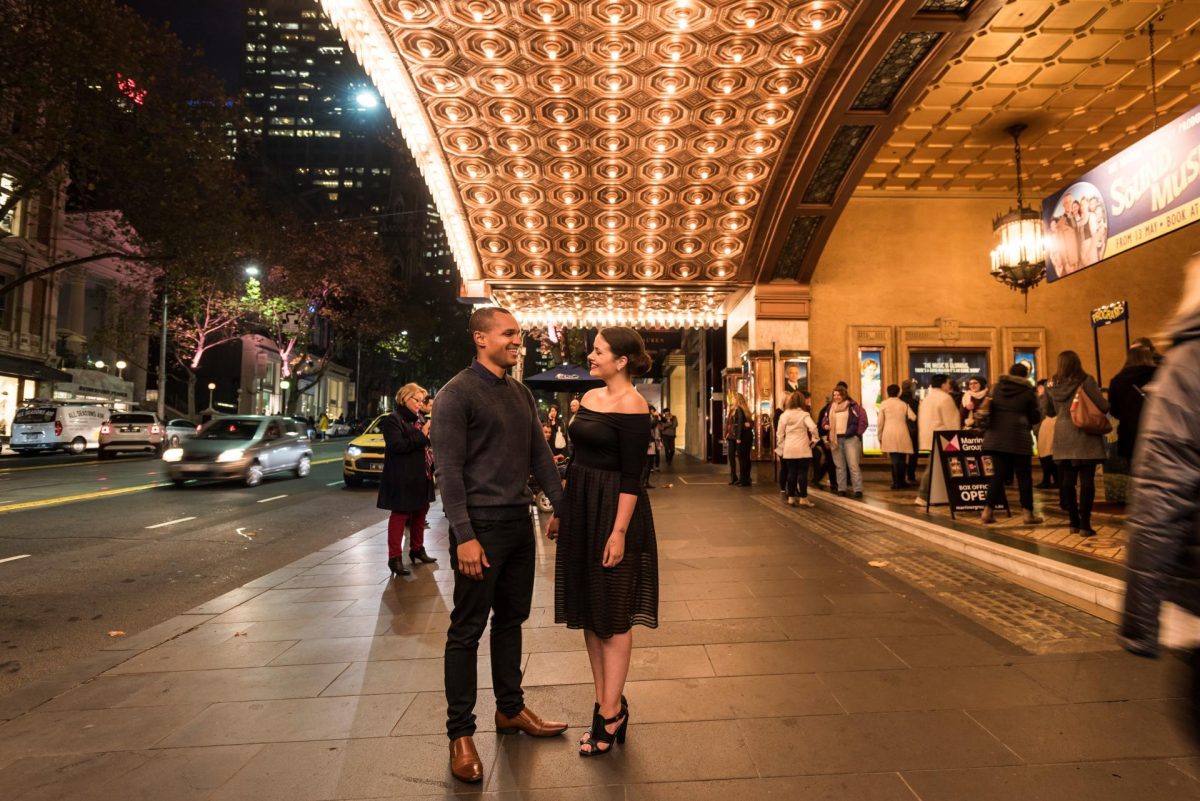
Couple outside Regent Theatre
Visit Victoria - Credit Rob Blackburn

As the dust settles on the axed shows, experts have floated a few ideas that might halt musical theatre’s freefall. These ideas include:
  • Tax breaks: Similar to the UK’s Theatre Tax Relief, which lets British theatre companies claim 45% tax deductions for touring productions and 40% on non-touring works.
  • A cultural hub: Like the West End and Broadway, this hub would become a destination for travelling theatregoers and eliminate production travel costs.
  • Cultural passes for young people: By giving young people vouchers for theatre tickets, advocates hope to expose them to theatre early and encourage lifelong support.
  • Early-bird discounts: Reduced-price tickets for people who buy early would give shows a financial boost before their runs begin.

We can all play a part
Recent closures have shown that if you’re waiting for discounted tickets or audience buzz, a production may never reach your city. Instead, we can all be proactive and learn more about the musicals coming to our nearest capitals. Next week we’ll shine a spotlight on some of the best new musicals opening soon. Read all about them and snap up your tickets. The success of these productions could depend on it.
5
AD Advertisement
Un-Googled Advertising
Advertisement image
Are Google Ads Driving You Mad?

Advertising with Hold The News is simpler.

We don’t sell clicks or lock you into a subscription. Your advertisement remains permanently attached to the edition in which it appears, allowing it to be seen whenever those articles are read—weeks, months or years after publication.

Better still, your advertising helps pay Australian writers and journalists instead of sending more money to an overseas technology giant.

No subscription. No ongoing commitment. Ads from $40 + GST.

Register your sponsor account here: Register

Steven Sesselmann
Editor, Hold The News
6
News
Why Apartment Living Can Feel Lonely
Apartment-Living-Loneliness
Canva
Over time, city life has grown. And as this happened, so did the demand for more housing. Blocks became smaller, and apartments began to rise higher and higher to accommodate more people in less space. For many Australians, apartment living has provided an affordable pathway into desirable locations, closer to work, transport, restaurants and entertainment.

But while apartments solve many practical problems, they can create another challenge that is harder to measure.
Connection.

Because for all the convenience apartment living provides, many people quietly experience something unexpected: loneliness.

Designed for efficiency, not always connection

Apartment buildings are carefully designed spaces. Every centimetre has a purpose. Kitchens, bedrooms, balconies and shared facilities are planned to maximise comfort within a limited footprint. But buildings are not just collections of rooms. They are communities. And creating a community requires more than simply placing hundreds of people close together.

Not many people know their neighbours anymore, despite living only a few meters apart from them. You may nod or offer a quick wave when you see them, you might even know their name, but it’s rare you’ll call on them when you need someone.
It is one of the strange contradictions of modern living: we have never been physically closer to more people, but many of us have never felt more disconnected.

The disappearance of accidental connection

For generations, Australian homes were designed around spaces that naturally encouraged interaction. The backyard. The front porch. The driveway.

These were places where conversations happened without being planned. A neighbour would stop while taking out the bins. Children would play outside together. Someone might borrow a cup of sugar or ask about a dog walking down the street. You may not have called these people your friends, but you could trust them, and it actually felt like you were part of a community.
Apartment living removes many of these accidental interactions. Everything is a lot more private now. Small spaces but higher walls.

The challenge of vertical communities

The rise of apartment living is not unique to Australia. Around the world, growing populations and rising property prices have pushed cities towards higher-density living. And don’t get me wrong. There are many benefits to this type of accommodation. Smaller apartments are more practical in a world that’s keeping us so busy. When we spend most of our time at work, it seems pointless to have a big house to maintain, too. And many people enjoy apartment living so that they can be closer to the city, a great choice for many.

The challenge is not apartments themselves. The challenge is whether we are designing them with human connection in mind.

When privacy comes at a cost

We have become a very private nation. We avoid calls at all costs, we put up fences, and the moment we see a neighbour we pretend to be busy to avoid interaction. One of the great appeals of modern apartment living is privacy. Unlike traditional suburbs where neighbours may be visible across fences, apartments allow people to retreat into their own space. And the problem with that is the more we spend time alone, the harder it becomes to socialise. Humans are creatures of habits and once we form one, it’s hard to shake it.

Our homes have increasingly become places where we work, exercise, entertain ourselves and socialise digitally. For apartment residents, there can be fewer natural reasons to step outside and interact with the people around them.

The result is that loneliness can exist in places filled with people.

Can we design apartments differently?

The future of Australian housing will likely include more apartment living. With population growth, affordability pressures and limited land availability, higher-density housing will continue to play an important role.

We’re going to continue to build upwards. So, with that in mind, maybe we need to find a way to create connection, no matter how high we build. Community matters more than we realise.
7
AD Advertisement
Have Your Articles Published
Advertisement image
Every writer wants to have their work published and read.
This is your chance to make the Internet a better. Join our team or writers at Hold The News and write engaging articles that entertain, inform or trigger feelings in the reader. Give it structure, give it meaning and make it worth reading.

We publish on almost any topic as long as it's well written, human written and truthful.

Readers Judge
Articles sort by reads within each edition, simple and easy to see what gets read.

Join our team of writers today.

register here: [Register][https://holdthenews.com/register.php]
8
Lifestyle & Culture
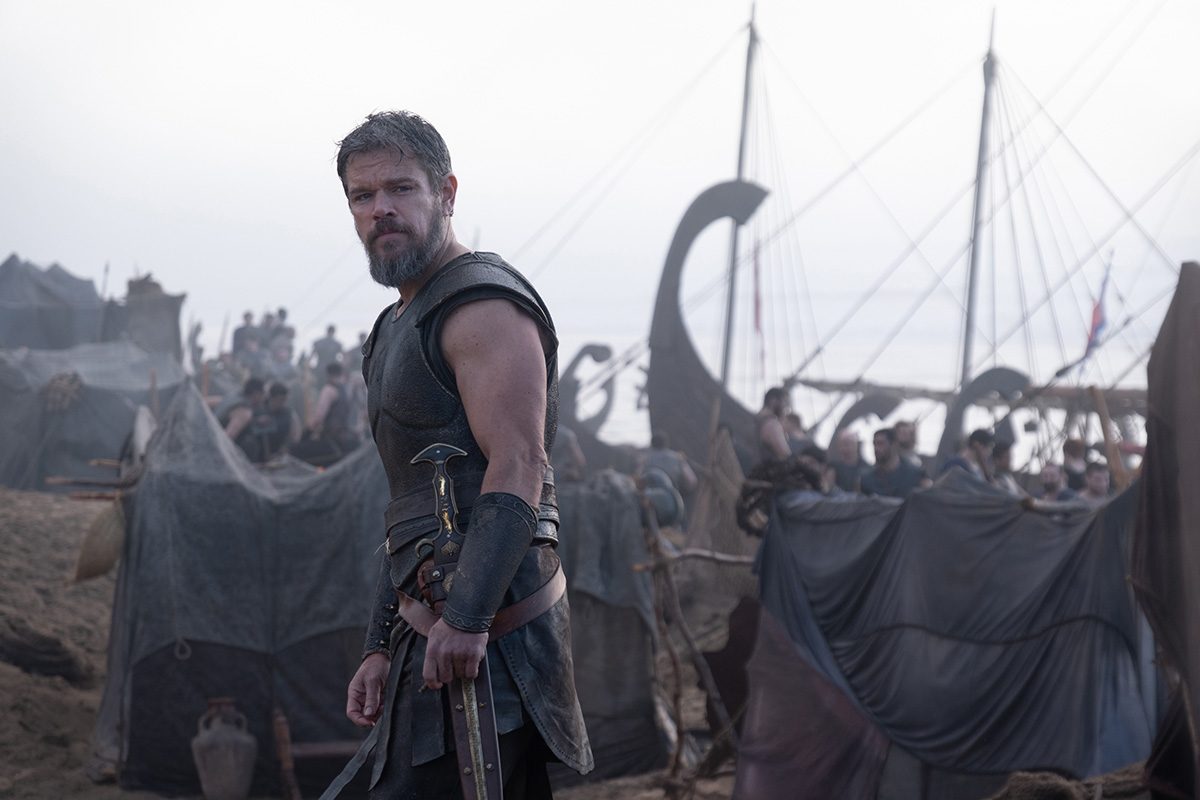
The quest to see The Odyssey at IMAX shows Australians will still get off the couch for an epic viewing experience
The Odyssey
Universal Pictures
A two-month wait to see the Homerian epic in all its 70mm IMAX glory proves movie lovers still care about picture quality, not just comfortable seats.

It’s been a slow and uneven recovery for Australian cinema ticket sales since the pandemic. Stuck at home, many households spent their travel budgets on high-end OLED and LED televisions that can outshine most cinema screens in terms of picture quality, if not in actual size.

Even when we were all free to go back to the cinemas, difficult economic times over the last few years have made it harder to justify an expensive trip to the movies. Especially when the latest blockbusters soon arrive on streaming services.

For the first time since the pandemic, Australian cinemas are on track to crack $1 billion in ticket sales this year. Christopher Nolan’s three-hour saga The Odyssey is one of the main attractions, not just for its epic story but also its visual grandeur, as the first feature film shot entirely with 70mm IMAX cameras.

The highest-quality analogue film format, 70mm IMAX provides scale, resolution and depth that far exceeds standard analogue and digital cinema formats.

While practically every cinema is screening The Odyssey, only a handful of projectors can actually do it justice. IMAX Melbourne in Carlton is one of only 41 cinemas globally, and the only in the southern hemisphere, which can fully bring Nolan’s vision to life.

In a sign that many cinema-goers have an eye for quality, IMAX Melbourne is selling a record number of tickets, months in advance.

Each new batch sells out in minutes, with movie lovers reportedly flying in from interstate and even overseas, just so they can experience it in 70mm IMAX.

At almost $50 a ticket, The Odyssey at IMAX is more expensive than Hoyts Lux or Village Gold Class. In return, you won’t get a reclining seat, or someone bringing food to your side; you’ll just get the world’s best picture quality.

Rival cinema chains have also discovered a newfound focus on picture quality, after years of trying to tempt movie fans off the couch with the promise of comfortable cinema seats and premium snacks.

For example, new HOYTS APEX cinemas rely on massive LED screens, rather than a projector, in an effort to rival the best televisions. This includes support for High Dynamic Range, which reveals far more detail in the brightest highlights and deepest shadows, to create a more realistic picture.

Most new televisions support HDR, but few cinemas can display it. It’s naturally more difficult to lure movie lovers off the couch once they’re grown accustomed to the finer things.

After The Odyssey eventually concludes its IMAX run, it will be interesting to see whether moviegoers continue to favour picture quality over creature comforts.
9
Science & Tech
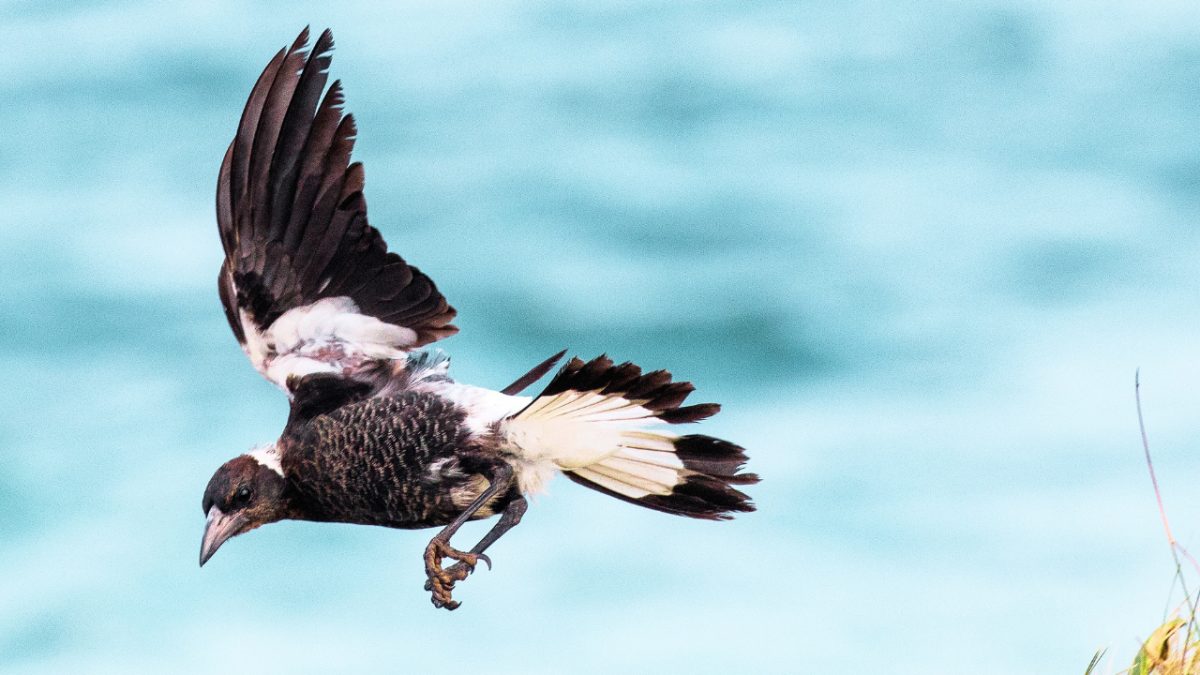
Swooping season: Magpies have a file on you. Here's what's inside it.
Magpie-swooping
Canva
If you're an Aussie, you probably know the feeling. One minute you're enjoying a peaceful walk or bike ride, the next you're ducking, weaving and wondering whether that black-and-white blur overhead has singled you out for some personal vendetta.

From August to November every year, we dust off the same survival tricks. We cable-tie our helmets, paint eyes on the backs of hats and cross the road the moment we spot a familiar nesting tree, all in the hope of avoiding an aerial ambush.

But according to research from the CSIRO and studies published in Animal Behaviour, there's one fascinating fact about magpies that helps explain why one person might get relentlessly swooped while another walks straight through without a second glance.

The answer isn't luck. It's that the magpie may already know exactly who you are.

The bird who remembers your face
Magpies aren't mindless, aggressive birds looking for a fight. They're among Australia's most intelligent native birds, capable of recognising individual people and remembering familiar human faces.

During nesting season, a protective male patrols the area around his nest, watching for anything he thinks could threaten his eggs or chicks. Every passing cyclist, jogger, dog walker or pedestrian is quickly assessed.

If he recognises you as someone who has passed through peacefully before, he may simply watch you continue on your way. But if you're unfamiliar, moving quickly or behaving in a way he interprets as risky, you're far more likely to attract his attention.

In other words, the magpie may already have a mental file on you. It's not personal, it's simply his way of deciding who poses a potential threat to his family.

So what should you do?
The good news is that wildlife experts say the vast majority of magpies never swoop people at all. Even among those who do, they're protecting their nest rather than trying to injure anyone.

If you know a particular bird is nesting nearby, the safest option is to avoid that area until the chicks have fledged. If you can't, move calmly and steadily through the area, avoid waving your arms or shouting, and leave the nesting territory as quickly as you can. Cyclists, you're advised to dismount and walk if you're being repeatedly targeted. Wearing a helmet and protecting your eyes can also help reduce the risk of injury.

It's also worth remembering that most swooping lasts for only four to six weeks each spring. Once the chicks have grown and left the nest, the attacks usually stop, and the magpie goes back to being just another neighbour.

In a nutshell
So if you hear that familiar flap of wings overhead this spring, remember there's probably no grudge involved. Magpies aren't attacking you because they hate people. They're making a split-second decision about whether you're a threat, and doing what countless parents across the animal kingdom have always done, protecting their family.

SOURCES
CSIRO Advice
Magpies recognise you
10
Science & Tech
Lasers reveal lost Amazon civilisation of three million people
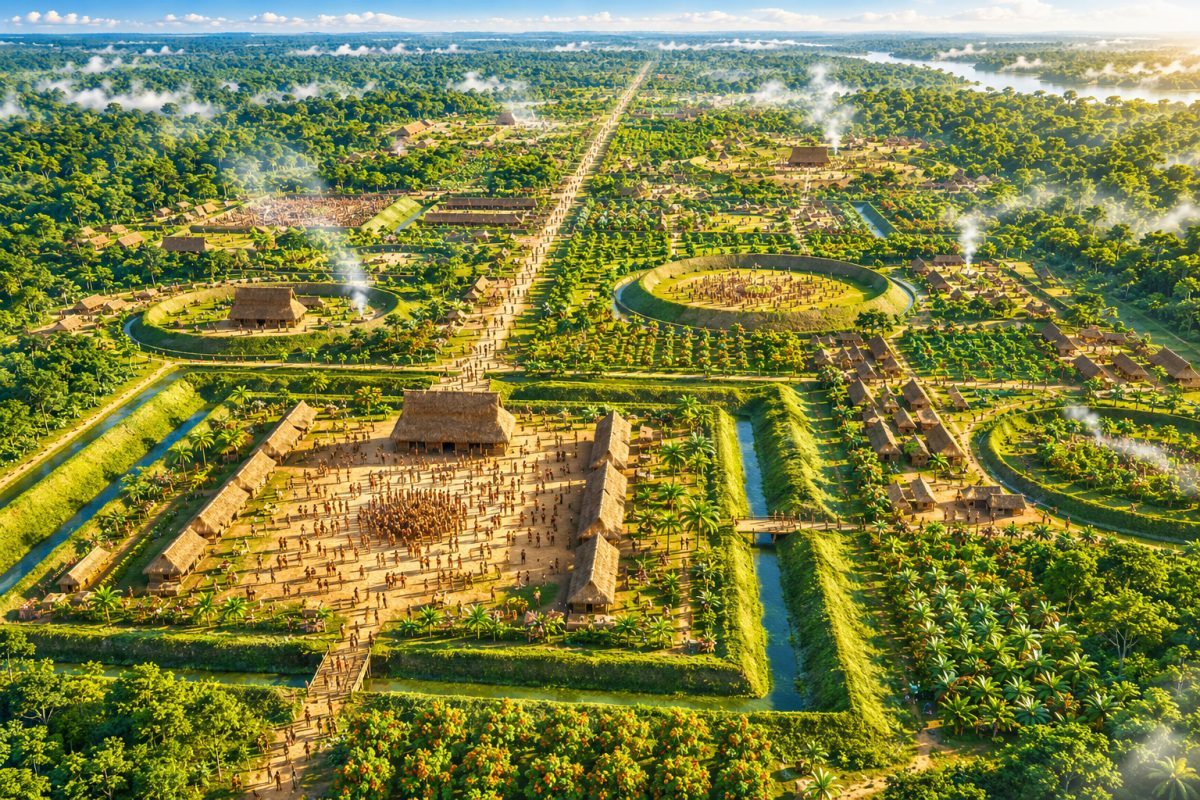
Amazon Lost City
Chatgpt
For centuries, textbooks described the Amazon region as a vast green sea of trees that was mostly uninhabited.

It turns out that story was largely wrong.

Thanks to high-tech lasers blasted from aeroplanes, archaeologists have pulled back the jungle canopy to reveal something mind-boggling: the sprawling ancient earthworks left behind by a vast civilisation known as the Aquiry.

The Aquiry culture thrived from around 600 BCE to 850 CE, with many of its monumental earthworks thought to have been at their busiest between AD 100 and 300.

At its peak, researchers estimate this forgotten society may have been home to as many as three million people, turning our understanding of South American history on its head.

Mowing down the jungle with light
Spotting ancient ruins in the Amazon has always been a nightmare for scientists. Thick trees block out the sun, vines swallow anything left behind, and boots on the ground can miss massive structures hiding just metres away.

So researchers flew more than 4,400 kilometres back and forth across Brazil using LiDAR survey flights. LiDAR (Light Detection and Ranging) is a bit like ultra-precise laser radar. It works by firing millions of harmless laser beams down through the forest every second. A tiny fraction of the light slips between the leaves, hits the dirt and bounces back. A computer then strips away the greenery, leaving behind a crisp 3D map of the bare ground.

When the scans were processed, the team wasn't looking at empty forest floor. They were looking at a vast network of interconnected settlements.

Giant squares, deep moats, and ancient highways
The scan mapped nearly 400 monumental earthworks, but that's just the tip of the iceberg.

Based on the density of the finds, scientists estimate there could be anywhere between 20,000 and 30,000 of these sites buried across the wider region.

We aren't talking about a few crude mud huts, either.

The Aquiry carved remarkably precise geometric shapes into the earth, creating massive circles, nested squares, and public plazas connected by straight, wide avenues. Some of their ceremonial enclosures were guarded by ditches 13 metres wide and five metres deep.

Imagine a vast ceremonial landscape, with gathering places connected by an intricate road network.

The ultimate ancient land managers
They weren't just surviving off whatever fell off the trees, either. They were master horticulturists.

They cultivated crops like maize, squash, manioc (a starchy root vegetable) and peanuts, while carefully planting massive orchards of Brazil nut trees and peach palms.

Researchers believe some of the Amazon's remarkable biodiversity and fertile soils may be the legacy of thousands of years of Indigenous land management.

Next time you picture the Amazon, don't imagine an empty green void. Picture millions of people gathering for ceremonies, trading goods, and engineering the landscape long before anyone realised they were even there. And it does make you wonder, doesn't it? What other incredible stories might still be hidden beneath our feet, just waiting to be discovered?

SOURCES
Lidar Study
Science.Org
UNI of Helsinki
12
News
Petrol hits $2 a litre as Australia faces fuel excise cliff, bird flu spreads, and major policy shifts
News Masthead
Hold The News
Hold The News is a weekly magazine featuring Australian writers and journalists who aim to educate, inform and entertain readers with well-written articles. We do not intend to compete with the mainstream daily press.
If, for whatever reason, you missed last week’s major headlines, here is a brief summary.

Editor

Fuel excise relief expires, prices soar
Petrol prices are expected to exceed $2 a litre in several Australian capital cities after the government’s remaining 16-cent-per-litre fuel excise discount ends at midnight on Sunday. The temporary relief, introduced during the recent fuel-price surge and reduced from 32 cents in July, will not be extended. Treasurer Jim Chalmers said the measure was never intended to be permanent. Prices are expected to rise as service stations replenish supplies purchased at the restored excise rate, although the timing will vary between retailers. Diesel could approach $2.40 a litre or more in some markets, adding further pressure to transport costs and household budgets as global oil prices remain elevated.

Adani pays no tax despite $1bn coalmine revenue
Adani’s Carmichael coalmine will pay no Australian company tax for the latest reporting year despite generating $963.5 million in revenue. According to an analysis of company accounts, Adani Mining recorded a $340.6 million loss for the 12 months to 31 March after accounting for production costs and substantial expenses involving related companies, including logistics. The operation nevertheless paid $58 million in coal royalties to the Queensland Government. The result has renewed scrutiny of earlier claims that the project would contribute billions of dollars in taxes and royalties over its lifetime, as well as broader debate over the tax treatment and related-party expenses of multinational mining companies.

Top End Aboriginal land rights overhaul announced
An in-principle agreement will place the future control of Nhulunbuy in the hands of its Rirratjingu Traditional Owners after Rio Tinto ends mining operations in the region. Northern Territory Chief Minister Lia Finocchiaro announced the proposed land-tenure arrangement at the Garma Festival, coinciding with the 50th anniversary of the Aboriginal Land Rights Act. Rio Tinto currently holds the town’s lease but is expected to surrender it after leaving the region in 2029. The proposed Traditional Owner-led model would allow long-term subleases intended to support home ownership, business investment and continued access to finance. Negotiations involving the Rirratjingu Aboriginal Corporation, Northern Land Council and NT government are continuing.

Bird flu detected in wild seabird in Victoria
Victoria has confirmed its first case of the highly pathogenic H5N1 bird flu strain in a wild greater crested tern found at Portland in the state’s south-west. Six further suspected cases—four at Portland and two near Nelson—have been identified in birds of the same species, with samples undergoing confirmatory testing. Authorities say there have been no detections in Victorian poultry farms or elsewhere in the agricultural industry. Poultry owners and producers have nevertheless been advised to strengthen biosecurity and report unusual bird illnesses or deaths. Members of the public should avoid touching sick or dead birds and report them to the Emergency Animal Disease Hotline.

WA vaccination targets fall short as flu season ends
Western Australia has fallen short of the influenza vaccination targets set before winter as its extended universal free-vaccination program concludes. The latest figures show 28 per cent of the population has been vaccinated, compared with the government’s 40 per cent target. Coverage among children aged six months to under 12 remains about 6.5 percentage points below its 30 per cent target, while people aged 65 and over came closest to meeting their 65 per cent goal. More than 860,000 West Australians had received a vaccination by 26 July. The state-funded program for residents not otherwise covered ended on 31 July, although eligible vulnerable groups can continue receiving free vaccines under the National Immunisation Program. Influenza cases have so far been substantially lower than during WA’s severe 2025 season.

Gina Rinehart threatens ABC legal action over satirical film
Gina Rinehart and Hancock Prospecting have placed senior ABC figures on legal notice over a satirical short film broadcast during the 12 July episode of Race Around the World. The film by contestant Kate McGuinness depicted a fictional and sexually violent attack on the mining magnate. Hancock has demanded that the ABC remove the material, issue a public apology and investigate how it was approved for broadcast. Legal correspondence alleging breaches of Australian civil and criminal law was sent to ABC Chair Kim Williams, Deputy Chair Lisa Caffery and Managing Director Hugh Marks, although no court proceedings have been confirmed. McGuinness has apologised to anyone offended and said the film was intended as farcical satire rather than an endorsement of violence. The ABC Ombudsman is independently reviewing complaints about the episode.

ABC retracts third story from fired journalist
The ABC has removed a third program reported by former journalist Mahmood Fazal after identifying concerns about the reliability of its sources. The May 2023 Background Briefing audio investigation, Remy was 12 when she became a drug dealer, has been withdrawn from digital platforms. It follows the removal of two Four Corners episodes, Cocaine Nation and Meth Highway, over similar concerns. The ABC Ombudsman is independently examining whether the Four Corners programs complied with editorial standards, while the broadcaster is reviewing other content involving Fazal. His employment was terminated in May following a separate internal investigation concerning an external podcast appearance. Fazal has defended his reporting and disputed the ABC’s handling of the matter.

Australian hiker found dead in Wyoming mountains
Australian hiker William Standish has been found dead in a remote section of Wyoming’s Teton Range after his family lost contact with him during a long-distance trek. The 28-year-old was attempting a southbound hike of the Continental Divide Trail after setting out from Canada. His family received his last communication on 23 July and alerted authorities four days later. A helicopter search located his orange backpack and body below a ridge near North Wigwam Peak on 29 July. Search officials said evidence suggested he may have fallen from a steep, high-altitude ridgeline, although the cause and circumstances of his death remain under investigation. Teton County Search and Rescue offered its condolences to his family and friends.

Telegram faces Australian court challenge over terror material
Australia’s eSafety Commissioner has launched Federal Court proceedings against Telegram, alleging the messaging platform failed to adequately detect and remove pro-terror material. The regulator says Australian users reported 12 posts between July and October 2025, including Islamic State execution videos and footage of the Christchurch and Buffalo mass shootings. It alleges 10 posts remained accessible and the associated accounts were not suspended. The civil case claims Telegram breached Australian online-safety standards requiring platforms to detect, deter, disrupt and remove terrorist and violent-extremist material. Telegram denies the allegations, says it has blocked thousands of extremist communities and intends to contest the proceedings. The company could face penalties of up to $54.6 million if the court finds against it.

Alan Jones faces four months of trial over assault charges
Former broadcaster Alan Jones is due to face a four-month judge-alone trial in Sydney after pleading not guilty to 22 charges involving six male complainants. The 85-year-old faces 20 counts of indecent assault and two counts of sexual touching without consent over alleged incidents between 2003 and 2020. More than 70 witnesses are expected to give evidence before Judge Glenn Walsh at the Downing Centre Local Court. Jones denies all wrongdoing. Several charges and complainants were removed from the case before trial, leaving the court to determine the remaining allegations. The proceedings are scheduled to begin on 3 August and continue over several months.

---
AI-generated weekly digest — stories relevant to Australia, 25 July 2026 – 1 August 2026. Review and edit before publishing.

Sources: ABC News Australia, Guardian Australia, BBC News Australia, Sydney Morning Herald
14
Humour & Satire
The Google Ad Jackpot Grift
Google Ad Scam
Created by Gwynn Earl for HOLD THE NEWS
NEWSFLASH

The country has sprung a leak.

“Google “Plumber Near Me”

Hang on a tick, have you ever actually looked at the logistics of this....

You are probably aware that the first page on Google are all sponsored results.
Ever thought about how much the plumber paid to be listed on the front page?

How many Aussie businesses pumping their money into google for advertising, like suckers at a pokie machine, sit there waiting for the return? Not thinking of who set up the machine and why, just hoping for lady luck to throw a new customer.
The pokies once ruined Australia's pubs and nightlife, but now a greater monster sits on our doorstop, the tech-giant ad grifter, ruining our local economy.

The worst part is, most of that advertising money leaves the country anyway.
Google's Australian companies reportedly paid about A$9.4 billion to overseas related companies during 2025.

Maybe we should have a government warning label on our home desktop ‘Google? What is it costing you?’ call the helpline today.

Unfortunately, Google is only one such hole, Meta, Microsoft, Amazon, Apple, Netflix, Uber, Visa, Mastercard are some of the biggest gambling grifts.

Australia loses more than $25 million through Google’s offshore payments every single day.

That is roughly:

A$783 million per month
A$181 million per week
A$25.8 million per day
A$1.07 million per hour

Little by little these offshore companies have overtaken the traditional media like yellow pages, the local news paper etc.. which in turn has killed Australian productivity.

Australians are repeatedly told that our problem is productivity: work harder, automate more and produce more per hour.

Australia may not have a productivity problem so much as a value-retention problem.

Australia increasingly balances its books by taking the family jewels—our minerals and energy—to the international pawnshop. We use the proceeds to pay foreign toll collectors for helping Australians find, contact and pay one another.

We don’t need to work harder, we just need to stop putting money in the slots, and start putting it into our own pockets, and support our local businesses.

Next time you search for a local business, click "Hide sponsored results" to show organic search results only.

Sources
Media and Marketing - AFR
Tech Giants Shift Billions - ChannelNews
Google Australias 6 Billion Black Hole - Michael west
15
Other
Aussies, some of these millions could belong to you (check in minutes)
Money Grab
ChatGPT
There are billions of dollars in unclaimed cash floating around Australia right now, and a slice of it could be yours.

We aren't talking about a few loose coins down the back of the sofa, either. Between forgotten bank accounts, lost superannuation and unclaimed government benefits, the pool of forgotten money is staggering. In fact, one single unclaimed amount currently sitting in ASIC's register is worth an eye-watering $1.3 million.

The best part? It’s completely free to check if some of it is yours.

Where is all this cash hiding?
When you move houses, change your name, swap jobs or simply forget about a minor account you opened years ago, the money doesn’t just vanish. After a certain period of inactivity, institutions are legally required to hand those untouched funds over to government bodies for safekeeping until you come looking for them.

Currently, there are four major pots of gold waiting to be tapped:
1. ASIC’s $2.7 billion vault
The Australian Securities and Investments Commission (ASIC) is currently holding approximately $2.7 billion in unclaimed money from old bank accounts, forgotten shares and matured life insurance policies.

If a bank account sits completely untouched with no deposits or withdrawals for seven years, it gets transferred to the government’s consolidated revenue fund (where it earns interest).

2. The $17.8+ billion superannuation black hole
This is the absolute biggest slice of the pie. The Australian Taxation Office (ATO) is holding onto nearly $18 billion in lost and unclaimed super.

Because Australia uses a system where a new super account can accidentally be opened every time you change jobs, almost one in four Aussies holds multiple accounts.

If your old fund loses contact with you, they eventually ship that money off to the ATO. The average lost super account holds about $2,950, which could be doing serious work compounding for your retirement.

3. $241 million in unclaimed medicare benefits
Services Australia is holding onto a massive stash of unpaid Medicare refunds. This usually happens for an incredibly simple reason: people forget to update their bank details with Medicare after moving or switching banks.

If Medicare tried to deposit a rebate for a doctor's visit and the transaction bounced, that money is sitting in limbo waiting for you to plug in your correct BSB and account number.

4. State revenue offices
Beyond the federal government, state and territory treasuries are holding onto their own mountains of cash. These funds come from unpaid wages, deceased estates, rental bonds, local council refunds and even old betting accounts. For example, Revenue NSW alone is holding onto over $637 million.

How to check if the cash is yours, within minutes
Because there is so much money sitting around, there has been a rise in private "money-finding" companies contacting people offering to recover these funds for a hefty 10% to 20% cut of the payout.

You don’t have to pay them!

Every single government database is completely free to search, and the claim processes are straightforward. You generally just need to verify your identity (like a driver's license or passport) and show some proof of connection to your old address.

Take ten minutes this evening to type your name (and any previous surnames or old addresses) into the official resources below. You might just secure a very nice, completely unexpected financial windfall.

Resources to check today:
For bank accounts, shares, and life insurance:
Use the free ASIC Moneysmart Unclaimed Money Search.

For lost super & tax: Log into your personal myGov Account and navigate to the linked Australian Taxation Office (ATO) section to run a quick "Super Health Check".

For medicare rebates: Update your banking details directly inside the Medicare section of your myGov Account.

For state-specific unclaimed cash (wages, bonds, estates):
New South Wales: Revenue NSW Unclaimed Money
Victoria: State Revenue Office Victoria
Queensland: Public Trustee Queensland
Western Australia: Treasury

Don't leave your cash in limbo
At the end of the day, checking these databases is one of the easiest financial "quick wins" you can score. Whether it’s a forgotten $50 Medicare rebate, a few hundred dollars from an old bank account, or thousands of dollars in lost super, it’s your money, and it belongs in your pocket, not the government’s. It only takes a few minutes to run a search for yourself and your family members. Go on, give it a look tonight; you might just find a very pleasant, completely unexpected surprise waiting for you.
16
News
Think Coles or Woolies is ripping you off? New law helps you report them
Price check
ChatGPT
We've probably all had that moment.

You're standing in the supermarket looking at a bright yellow "Down Down" or "Prices Dropped" ticket and thinking, Hang on... wasn't that the normal price a couple of weeks ago?

You might have grumbled about it to your partner or rolled your eyes at the checkout, but there wasn't much you could do about it. Now though, there is.

A new federal law gives the Australian Competition and Consumer Commission (ACCC) stronger powers to investigate excessive pricing by Australia's largest supermarkets. It also gives us, as everyday shoppers, a straightforward way to report pricing that doesn't seem to stack up.

What the new law actually does
A historic, highly anticipated law took effect on 1 July 2026, explicitly banning excessive pricing by Australia's largest supermarkets (often referred to as "price gouging").

This isn't just a slap on the wrist. The Federal Government's new laws target "very large retailers" with annual revenues exceeding $30 billion. In Australia, that threshold currently captures only two companies: Coles and Woolworths.

Under the new rules, the ACCC will assess whether a grocery price is significantly excessive after considering the retailer's cost of supply, what constitutes a reasonable profit margin, and all other relevant circumstances. There is no fixed percentage or dollar amount that automatically breaches the law.

To support this, supermarkets must keep records of their pricing decisions for three years. If the ACCC investigates a price increase, they must be able to justify it with a genuine commercial reason.

So, what should you report?
You don't need to be an economist or prove a supermarket has broken the law.

The ACCC is interested in patterns, so if something genuinely doesn't look right, it's worth letting them know.

For example:
  • A product suddenly jumps in price, then goes "on special" at roughly its old price.
  • A yellow discount ticket doesn't appear to offer any real saving.
  • An everyday item has increased dramatically without any obvious reason.

One report may not trigger action on its own, but hundreds of reports about similar pricing practices can help identify larger patterns.

Here's how to report it
If you believe you've seen misleading pricing or excessive pricing, you can report it to the ACCC through its consumer reporting system on the ACCC website. The regulator uses reports from shoppers, along with its own monitoring and information from supermarkets, to identify patterns and decide where investigations may be needed.

If you'd rather speak to someone, you can also call the ACCC Consumer Information line on 1300 302 502, Monday to Friday between 11 am and 3 pm AEST.

Five things that make your report more useful
If you decide to report something, try to include as much detail as possible:
  • the product name, brand and size
  • the store location
  • the date you saw the price
  • a photo of the shelf ticket, particularly if it's being advertised as a special
  • any evidence showing the previous price, such as an old receipt, online order history or photograph.

Don't expect a refund
One important thing to understand is that the ACCC isn't a refund service. Its job is to look for patterns across thousands of reports.

If enough shoppers report similar pricing practices, the regulator can investigate, demand pricing records, conduct audits and, where appropriate, take supermarkets to court.

Under the current laws, the penalties can be the greater of:
  • $10 million for each breach
  • three times the financial benefit gained
  • or, if that benefit can't be calculated, up to 10% of the company's annual turnover.

For companies the size of Coles and Woolworths, these penalties are difficult to ignore.

Every report helps
Will reporting one suspicious price suddenly make your grocery bill cheaper next week? Probably not. But it could become one piece of the evidence that helps uncover a much bigger problem.

So the next time you stop in front of one of those bright yellow discount tickets and something doesn't quite add up, you don't have to simply shrug and move on.

If you genuinely think something isn't right, you now know exactly where to report it.

SOURCES
Report an issue to the ACCC
18
Lifestyle & Culture
Wild Weekends: 4 Aussie Animal Escapes for Families
Australia Zoo
Zoo QLD
There is something wonderfully unpredictable about visiting a wildlife park with children. Yet animal encounters can be some of the easiest family adventures to plan. With interesting habitats to explore, keeper talks to entertain and educate, and animals doing things on their own unpredictable timetable, a wildlife park can keep the whole family entertained for hours.

From native wildlife encounters to spotting lions, giraffes and other safari animals, these Australian wildlife escapes offer plenty for curious kids and their equally curious grown-ups.


Croc
Tourism Sunshine Coast


Crocodiles and Conservation at Australia Zoo, Queensland
Ideal for: Crocodile Hunter fans, energetic families and children who want plenty of action.

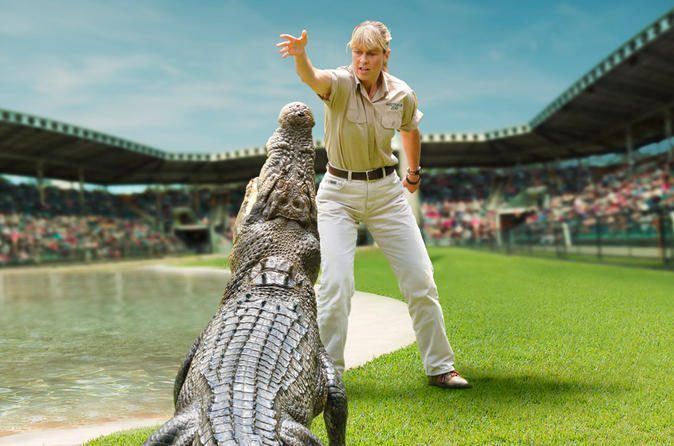
Located on Queensland’s Sunshine Coast, Australia Zoo is one of the country’s best-known wildlife attractions. Its 110 acres are home to everything from crocodiles and snakes to elephants, giraffes, rhinos, red pandas, tigers and native Australian wildlife.

The headline act is the daily Wildlife Warriors show in the Crocoseum, where families can watch birds swoop overhead, snakes take to the arena and crocodiles demonstrate exactly why nobody should become too relaxed around a murky billabong. The show is included with general admission, along with other conservation presentations held throughout the day.

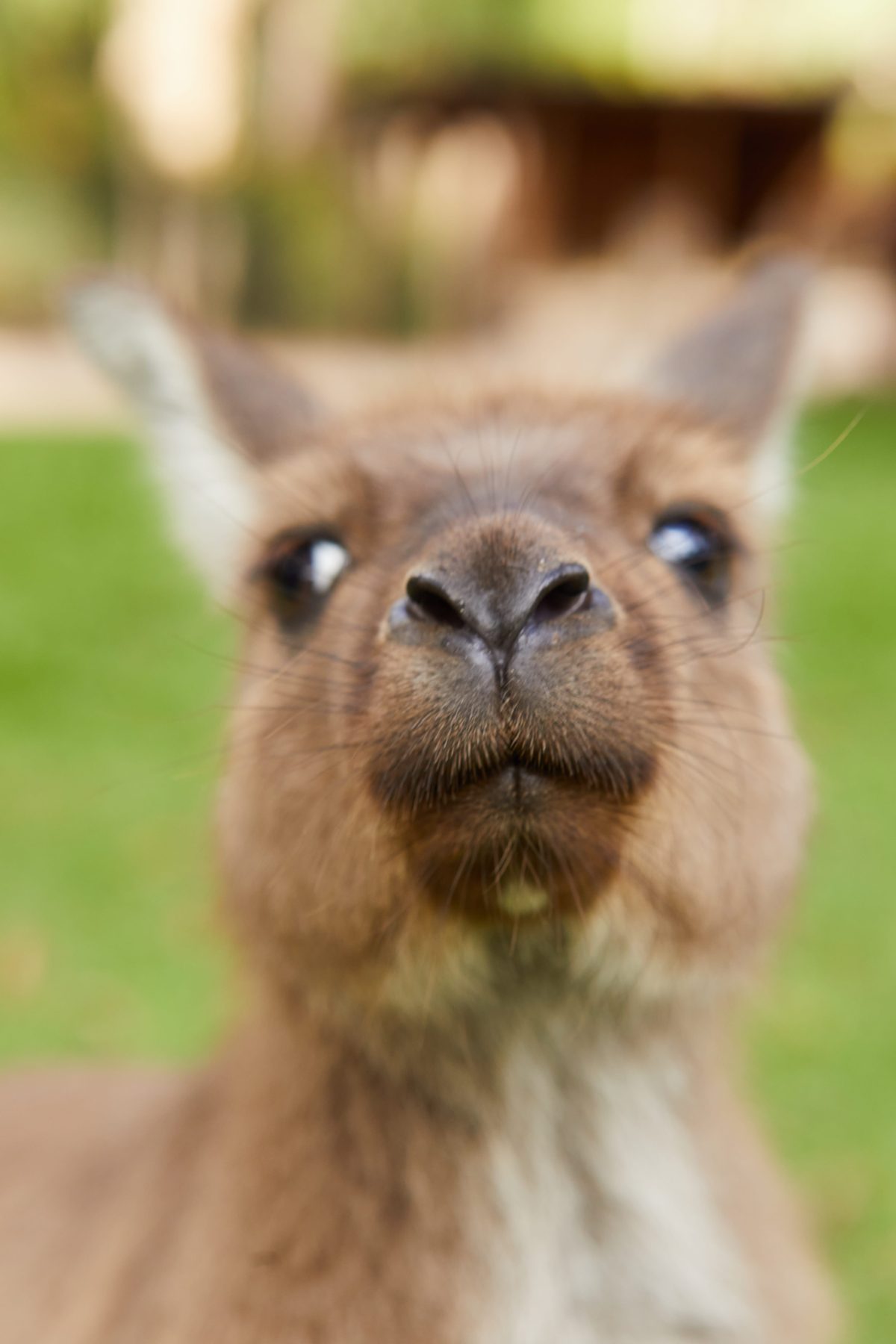
Families can also hand-feed kangaroos using food purchased at the zoo, book additional animal encounters or visit the Australia Zoo Wildlife Hospital viewing area to see the veterinary team caring for sick, injured and orphaned wildlife. During Queensland school holidays, budding animal experts can join age-based Zoo Keeper for a Day programs for a closer look at what goes into caring for the residents.

With such a large area to cover, families should plan for a full day. The Crikey! Kids Corner adds a jumping pillow, shaded playground and nearby water park for children who somehow still have energy after exploring the zoo.

Kid-friendly facilities include free shuttle transport, children’s play areas, a splash park, parents’ rooms, food outlets, shaded picnic spaces and equipment hire.

More about Australia Zoo


Healesville Sanctuary
Zoos Victoria


Native Encounters at Healesville Sanctuary, Victoria
Ideal for: young children, Australian native animals and easy day trips from Melbourne.

Set in the Yarra Valley, around an hour from Melbourne, Healesville Sanctuary offers an easy introduction to Australian wildlife in a relaxed bushland setting. Families can spot koalas, kangaroos, wombats, dingoes, emus and all types of birdlife while wandering along manageable tracks shaded by native trees.

The sanctuary works particularly well for little children because there is plenty to see without the day feeling too overwhelming. There are also plenty of play areas and facilities for children and parents to take a break.

Rather than racing between sprawling exhibits, families can slow down, follow the tracks and stop whenever someone needs a snack, a rest or a lengthy discussion about why wombats produce cube-shaped poo.

A highlight is the Australian Wildlife Health Centre, where visitors can learn how injured, sick and orphaned native animals are treated. The adjoining Future Vets play space lets children use their imagination, examine plush patients and experiment with the idea of becoming a wildlife vet without anyone needing to produce an actual medical degree.

Families can also book additional animal encounters and behind-the-scenes experiences, although there is plenty included in a standard visit. Children aged four to 15 currently receive free general admission on weekends, Victorian public holidays and Victorian government school holidays.

Kid-friendly facilities include play areas, food outlets, picnic spots, keeper presentations and accessible walking tracks.

More about Healesville Sanctuary


Dubbo Zoo NSW
Visit NSW

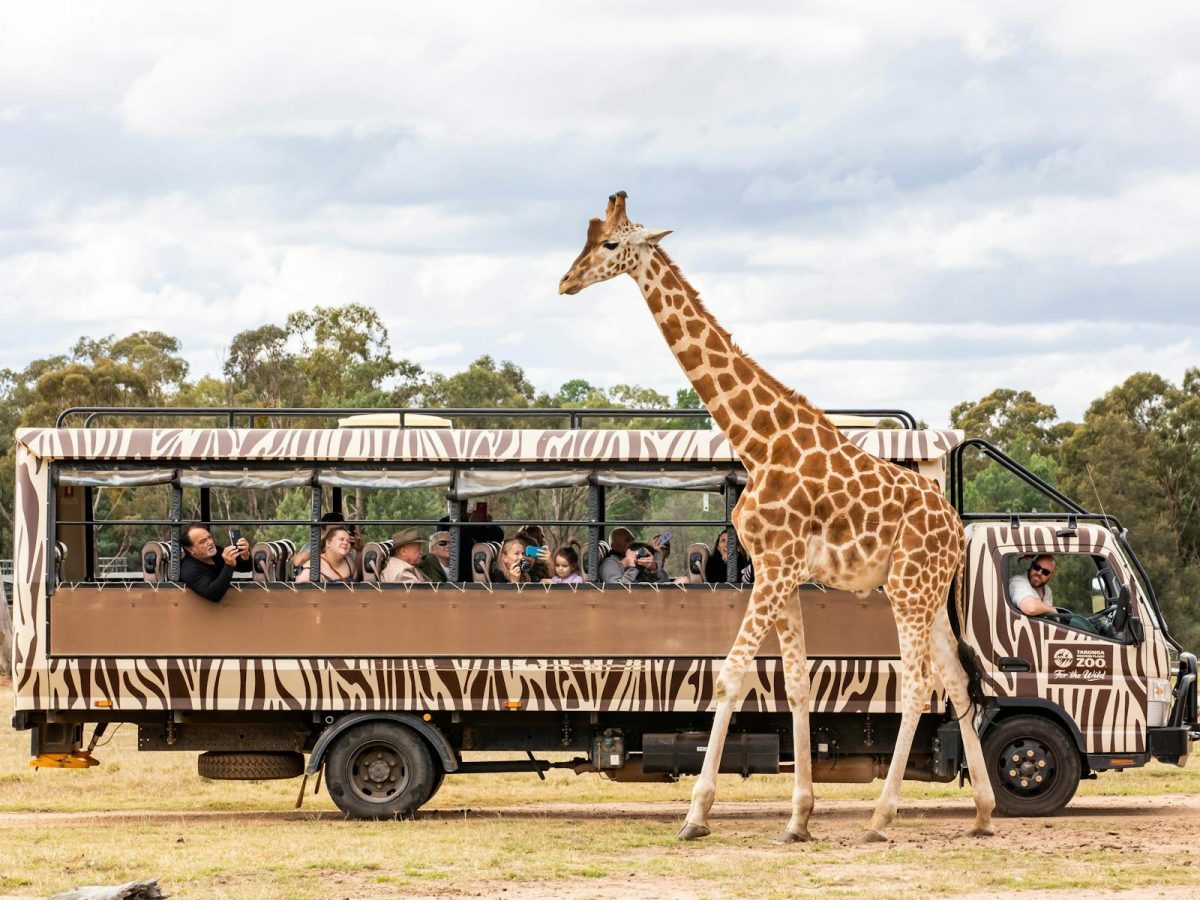
Safari Adventures at Taronga Western Plains Zoo, Dubbo
Ideal for: active families, bike riding, overnight stays and children who want a full safari adventure.

Taronga Western Plains Zoo turns a family zoo visit into something closer to a road trip through the animal kingdom.

The zoo is arranged around a 5.5-kilometre circuit, which families can explore by car, bicycle or electric cart. Bikes and carts can be hired on-site, allowing visitors to stop at different habitats and explore smaller trails along the way. Families can even hire pedal boats to cruise around Savannah Lake near the primate islands.

Cycling between giraffes, rhinos, elephants and big cats brings a welcome sense of adventure, although an electric cart may be the wiser choice for families whose children enthusiastically promise to pedal the whole way before losing interest after 400 metres.

There are keeper talks and animal encounters throughout the zoo, along with a Wildlife Hospital where visitors can watch veterinary teams caring for animals. During selected school holidays, the Zoo Adventures program gives children aged five to 11 the chance to learn about animals, conservation and the work of zoo keepers.

Families wanting to stretch the adventure over several days can stay on-site. The premium Zoofari Lodge experience includes accommodation, meals, exclusive tours, zoo entry and bike hire, creating the rare opportunity to wake up near roaming animals rather than the neighbour’s lawnmower.

Kid-friendly facilities include bike and cart hire, animal encounters, food outlets, picnic areas, family accommodation and multiple ways to explore the zoo.

Learn More about Taronga Western Plains Zoo here.


Meet-the-Rhinos-Monarto
Monarto Safari Park

Big Animal Energy at Monarto Safari Park, South Australia
Best for: safari-style experiences, adventurous children and families who love wide-open spaces.

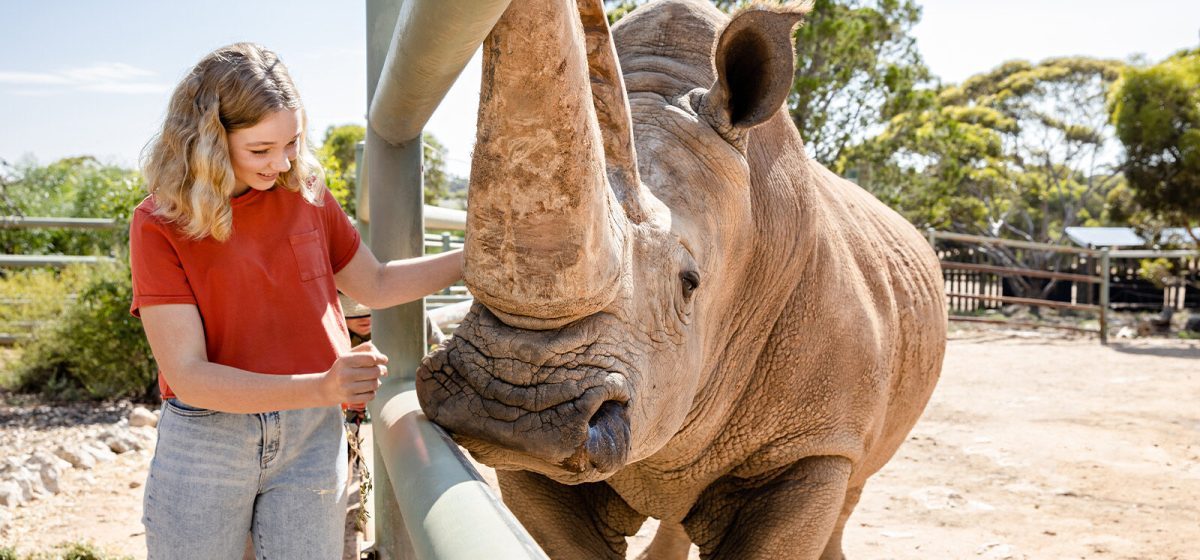
Located around an hour from Adelaide, Monarto Safari Park is Australia’s largest open-range safari experience and is home to more than 50 native and exotic animal species. Families should allow at least four to five hours, as this is not the sort of destination where you pop in, glance at a meerkat and leave.

The free Zu-loop bus travels through the open-range habitats, with visitors able to hop off at different viewing platforms before catching another bus. A complete loop takes around 90 minutes, while families with energetic children can explore sections of the park using its network of walking trails.

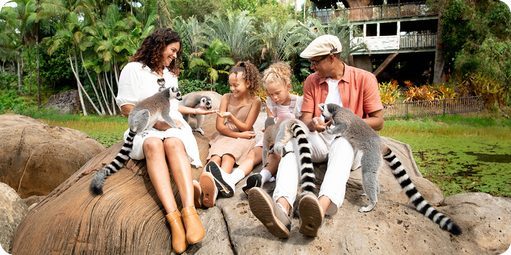
Children can see lions, rhinos, giraffes, chimpanzees and other impressive animals, with optional experiences including giraffe feeding, Land of the Lemurs and Lions 360. Age limits and extra charges apply to some encounters, so it is worth checking before promising anyone they can personally feed a giraffe.

For younger visitors, play spaces are located near the Visitor Centre, The Outpost and the white rhino bus stop. There are also cafés, picnic areas, highchairs and baby-change facilities positioned around the park.

Kid-friendly facilities include the free safari bus, walking trails, playgrounds, cafés, picnic areas, animal talks and bookable encounters.

Click here for more about Monarto Safari Park.

One Final Roar
For younger children and an easy native wildlife day out, Healesville Sanctuary keeps things wonderfully manageable. For families who want to pedal, explore and stay overnight, Taronga Western Plains Zoo delivers a full safari holiday. Monarto Safari Park offers enormous landscapes and equally enormous animals, while Australia Zoo combines wildlife encounters with big shows, play areas and enough crocodile action to satisfy even the most dedicated junior Wildlife Warrior.

Pack comfortable shoes, refillable water bottles and more snacks than seem reasonable. The animals may be unpredictable, but children requesting snacks five minutes after arrival remain one of nature’s great certainties.
20
Lifestyle & Culture
Safe Hangouts for Teenagers 13 to 18
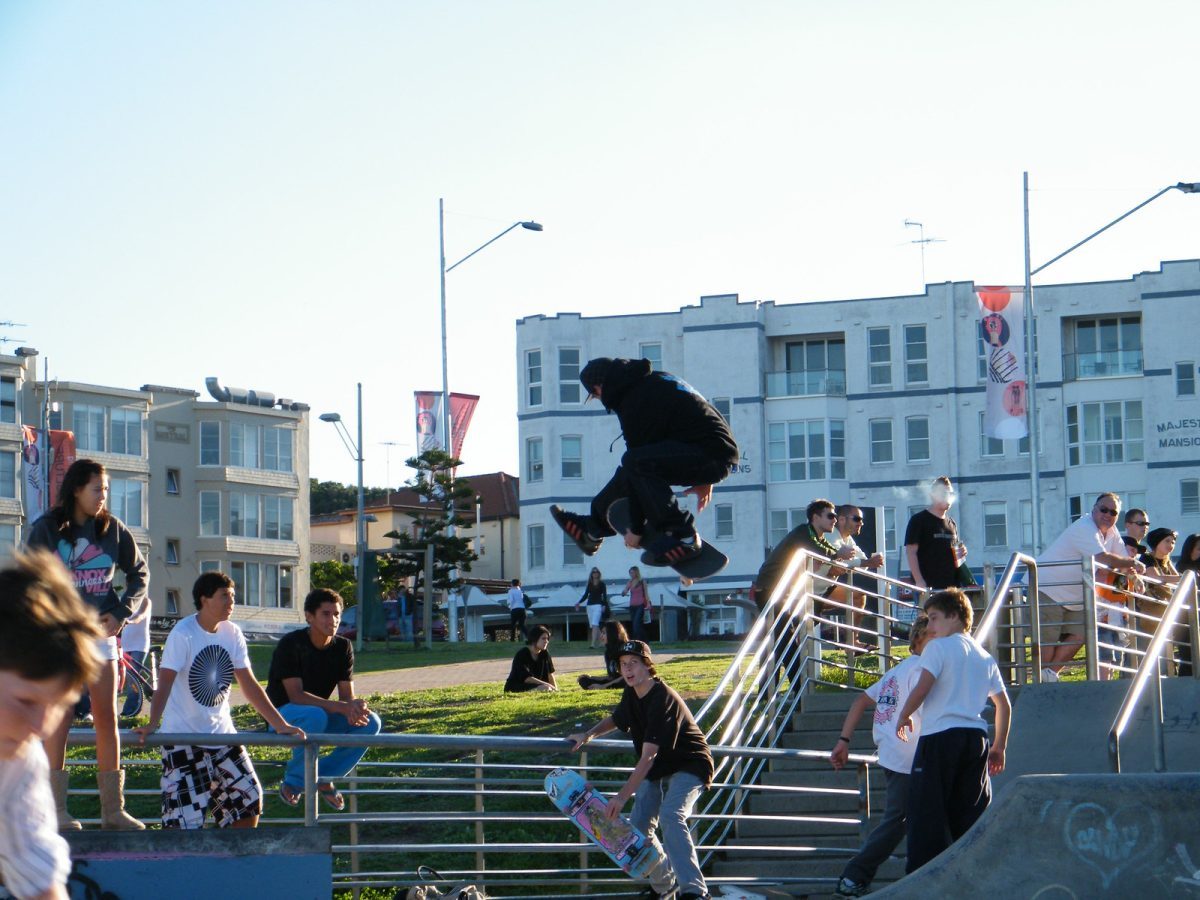
Teens at Bondi Skate Park
Flickr - credit Michael Zimmer
Hanging out is a vital part of the teenage experience. It builds independence and social skills by encouraging young people to make their own decisions and figure out who they are away from their parents. But if you’re a mum or dad, we know giving your teen space to hang out can be scary. Bored teens on the street can become destructive, and no one wants them at shopping centres designed to empty their wallets, and yours. So where should your teen go? We’ve got some amazing hang-out alternatives that are safe and fun for teens of all ages.

Skate parks: Free active outdoor spaces
Teens will find a real sense of community and opportunities to stay active at their local skate park. Most have a mix of bowls, pipes, rails, and boxes to suit skateboarders, skaters, and BMX riders of all ages and abilities. If your teen is finding their feet, they needn’t stress. Most parks have a welcoming atmosphere and friendly locals willing to help newbies master tricks.

Leisure Centres: Affordable gym alternatives
While teens can use gyms, these private businesses can be expensive. For a lower-cost alternative, teenagers focused on fitness might try their local leisure centre. While facilities vary, teens might sweat it out at the centre’s gym or enjoy a more chilled experience hanging out at the pool or spa. Most leisure centres offer teenagers discounted day passes and memberships.

Libraries: More than just books
Hanging out at the library might seem a little nerdy, but these community fixtures have transformed from stuffy institutions to warm, welcoming spaces. While there are still quiet zones for anyone wanting calm, many large libraries also feature vibrant areas like teen lounges, gaming hubs, and maker spaces with power drills and 3D printers. Many libraries also host teen social groups like anime clubs and puzzle solvers.

Beaches: Outdoor fun by the sea
Teenagers at the Beach
Pexels - credit Ron Lach

Generations of teenagers have flocked to the beach, and its popularity shows no signs of slowing down. Swimming between the flags is usually safe, especially at beaches with patrolling lifeguards. On the sand, teens can relax, chat with friends, and watch the world go by. Remind them to slip, slop, slap to keep them sun-safe.

Youth centres: Modern recreational spaces
While they’re known for their school holiday programs and special events like barbeques and craft classes, teens can hang out at their local youth centre for free at any time. These council-run centres are usually well-equipped with entertainment teens love like game consoles, pool tables, art supplies, and Netflix. Young adult staff are always available for your peace of mind, but they take a hands-off approach to encourage teens’ independence.

Coffee shops: Buzzy hangout hotspots
Coffee shops can be great options for teens seeking somewhere to unwind with their friends without spending a lot of money. Good coffee shops offer great vibes, comfortable spaces to chat, and easy access to food and drinks. They are businesses though, so teens should order something during their stay and not get too rowdy. While some coffee shops don’t like teens hanging out, others understand young patrons can become loyal customers. Coffee shops that host events like morning raves may be less likely to move teens on.

Start the conversation with your teen
We’d love you to share this article with your teen and start a conversation about the places they might like to hang out. Hopefully one of the spots we’ve mentioned is just what they’re looking for. Wherever they decide to hang out, communicating about their plans is one of the best ways to keep them safe while giving them the independence they need through their teenage years.